
Basically, the goal here is to make the topic practical, clear, and easy to use on a real project.
Stucco does not wake up in November and panic because it saw snow. The real issue is water. If water gets into the wrong place and then freezes, small defects can become more noticeable. Good drainage, sound sealant and timely repairs do a lot of the boring work that keeps winter boring too.
How Toronto freeze-thaw cycles affect cracks, sealants, drainage and exterior stucco maintenance, plus what homeowners can check before winter.
Here’s the practical part: use the next section as a checklist, not a rulebook. Every home and project has its own little plot twist.
Freeze-Thaw Is Mostly a Water Story
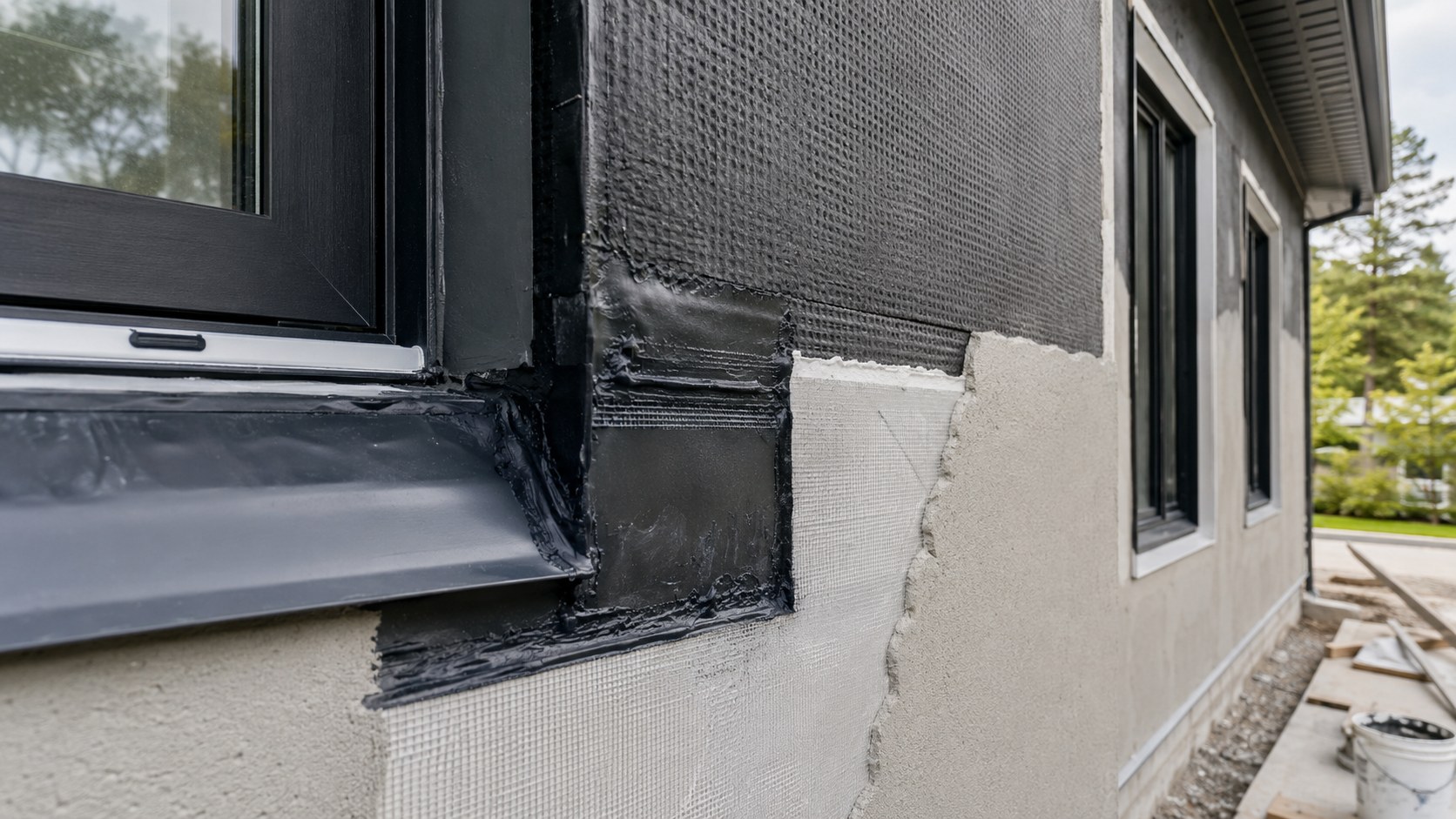
Water expands when it freezes. Exterior wall systems are designed to manage weather, but cracks, failed sealant and poor transitions can create paths for water. The goal is to keep water moving out rather than giving it a winter apartment inside the wall.
Inspect Before the Weather Turns Difficult
Late summer and early fall are useful times to walk the exterior. Look at sealant, cracks, staining, impact damage and areas near roof intersections. A ten-minute inspection is cheaper than discovering a problem while standing in slush.
Do Not Seal Over Unknown Moisture
If a wall is repeatedly wet or stained, identify the source before closing it up. Flashing, roof runoff, window details and penetrations may be involved. Good repair work solves the path, not just the symptom.

Winter Work Has Product Limits
Many exterior coatings and cementitious products have minimum temperature requirements. Temporary protection and heat can be part of professional cold-weather work, but manufacturer requirements still matter. The calendar does not override chemistry.
Good exterior work is usually less dramatic than social media makes it look. Identify the wall system, fix the cause, use compatible materials and do the prep properly. The decorative finish comes last because it has the easiest job when everything underneath is right.
What We Would Check on a Real Project
| Area | What we look for | Why it matters |
|---|---|---|
| Openings | Sealant, flashing, cracks and transitions | Water tends to find complicated details first. |
| Wall field | Flatness, impact damage, staining and old repairs | Helps separate cosmetic work from deeper repairs. |
| Lower walls | Splashback, grading and physical damage | These areas often see more moisture and impact. |
| Finish | Texture, colour, fading and coating condition | Helps decide between spot work and a broader refresh. |
A Manufacturer Video Worth Watching
Manufacturer material is included as a technical reference. It is a better starting point for system details than somebody confidently guessing in a comment section.
Useful Reference
This is original Sky Stucco Systems editorial content. The external reference lets readers check product and system information at the source.
Related Reading
If this topic overlaps with another part of your project, read this related Sky Stucco guide. Keeping repairs, insulation and finish decisions in one plan usually produces a cleaner result than treating every wall issue as a separate emergency.
Send us a few photos and the rough project size.
We can usually tell you what information is useful before a site visit. And yes, we can stop by too. Photos are just a very good head start.