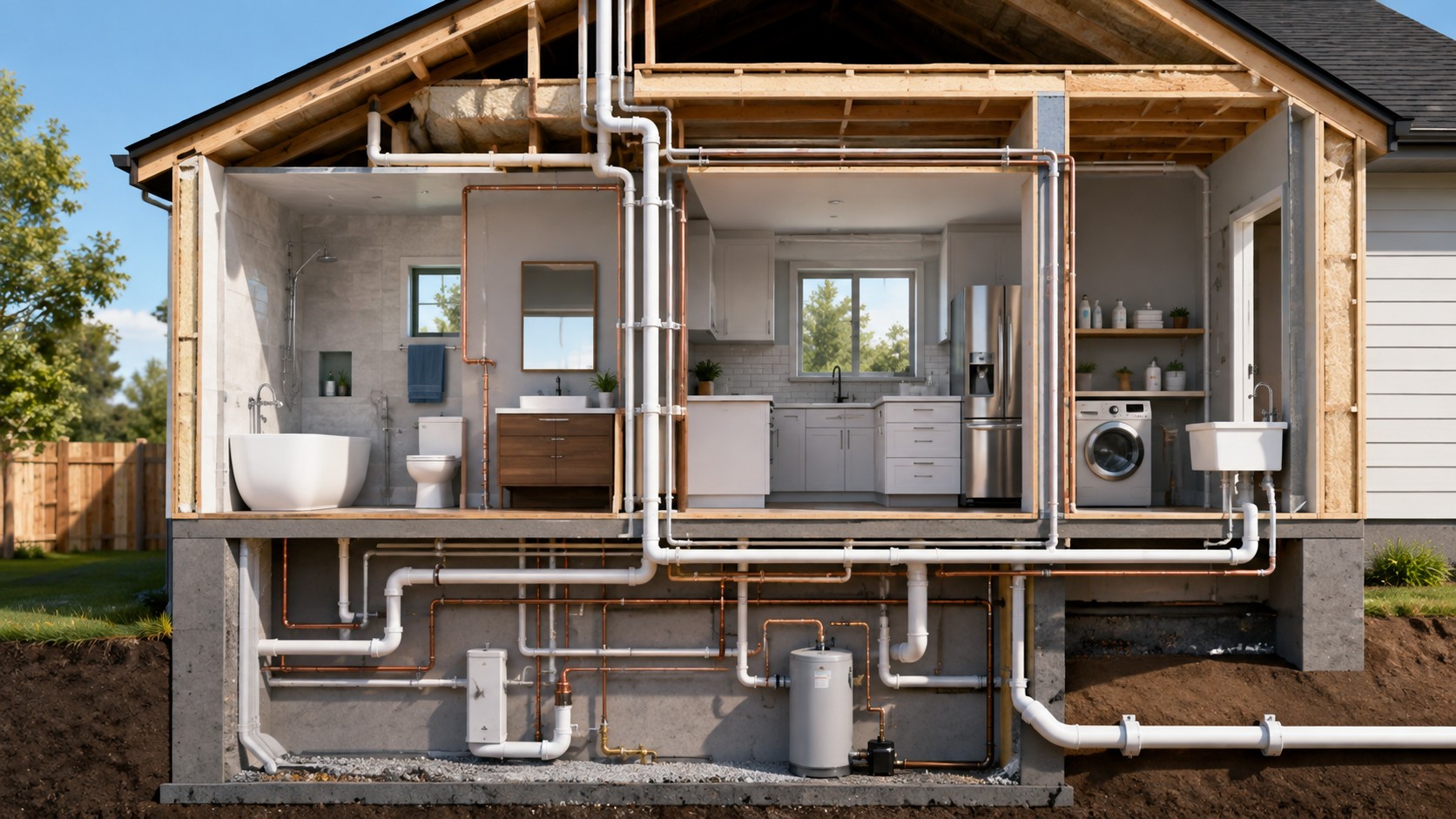
Here’s the useful part: focus on what applies to your home, your budget, and Ontario conditions.
Live betting has revolutionized how enthusiasts engage with fast-paced motorsports and endurance cycling events. The dynamic nature of UK betting sites not on GamStop requires grasping live odds movements, racing circumstances, and tactical decisions to enhance winnings while controlling exposure prudently throughout these thrilling competitions.
Here’s the practical part: use the next section as a checklist, not a rulebook. Every home and project has its own little plot twist.
The Essentials of Motorsport & Cycling Betting
Understanding the basic foundations of betting on horse races starts by recognizing how odds move in real-time races. Ground state, atmospheric conditions, and equipment function produce advantageous moments that savvy bettors can leverage through attentive tracking and quick decision-making throughout individual race portions.
Successful betting need comprehensive knowledge of team dynamics, individual athlete capabilities, and historical performance data. Examining pit stop performance in F1 racing or tracking breakaway groups in the Tour de France delivers key information that inform timing decisions for positioning strategic bets during key race periods.
Risk management serves as the foundation of responsible wagering approaches across both motorsport and cycling disciplines. Establishing clear budget limits, spreading bets across different types, and preventing emotional wagering during pivotal race events help maintain disciplined engagement while taking advantage of advantageous odds changes that occur during longer competitions.
In-Play Betting Trends in Formula One Racing
Formula One races present unique live betting opportunities due to their rapid pace and uncertain factors. Changing weather conditions, technical breakdowns, and pilot mistakes can alter results within seconds, creating value for observant bettors who monitor real-time developments carefully.
Successful live betting demands analyzing qualifying positions, tire strategies, and crew coordination during the race. Recognizing that surface heat affects traction and fuel weight influence pace allows better choices as odds fluctuate throughout each Grand Prix event.
Interpreting Racing Conditions and Driver Performance
Track conditions evolve constantly F1 races, with factors like tyre wear and fuel usage impacting car performance. Experienced punters monitor sector times and performance metrics to spot drivers changing speed relative to their competitors throughout the race.
Driver conduct during high-stress moments reveals valuable details for live betting decisions. Observing how racers handle traffic, defend positions, or execute overtaking maneuvers helps predict possible place alterations and caution periods that significantly impact race dynamics and betting odds.
Pit Stop Tactics and Betting Opportunities
Pit stop timing opens key betting windows as teams perform tire changes and adjustments. Premature or late stops compared to rivals can suggest calculated risks, giving punters chances to take advantage of position changes before bookmakers fully adjust their odds accordingly.
Tracking pit crew performance and tactical decisions provides competitive advantages in live markets. Teams sometimes make surprising calls based on race incidents or weather forecasts, generating profitable opportunities for bettors who rapidly identify how these strategic decisions will impact final race standings.
Tour de France Live Betting Strategies
The Tour de France offers exclusive wagering chances stretching across three weeks of racing across different terrain types. Successful wagering requires following competitor fitness, team strategy, weather patterns, and course layouts as odds shift throughout the racing each day.
| Stage Type | Key Betting Moments | Odds Movement Triggers | Strategic Considerations |
| Mountain Stages | Initial escape attempts, final climb attacks | Mechanical issues, team support depletion | Track slope gradients and competitor ascent performance |
| Time Trials | Intermediate checkpoints, weather changes | Wind conditions, bike modifications | Compare split times against historical performance data |
| Flat Stages | Sprint train positioning, closing distance | Collision events, support train performance | Evaluate sprinter condition and placement within the main group |
| General Classification | Time differentials at mountain finishes, bonus seconds | Leader position shifts, rival team strategies | Calculate cumulative time differences and remaining stages |
Experienced punters capitalize on multi-stage narratives by examining accumulated exhaustion levels and team resource allocation. Understanding how support riders give up their chances impacts leader protection and shapes classification battles across the demanding three-week race.
Live markets move outside stage winners to feature classification jerseys, breakaway victory forecasts, and gap time projections. Integrating real-time race commentary with predictive modeling creates edges in finding value opportunities as the race progresses each day.
Risk Management for In-Play Motorsport & Cycling Wagering
Strategic funds management forms the foundation of sustainable live wagering on Formula One and Tour de France competitions. Limit your stake to 2-3% of your total betting budget for each live bet, allowing you to withstand inevitable losses during volatile racing conditions. Monitor your live bets meticulously, recording stake amounts, odds at placement, and outcomes to identify patterns in your betting decisions and refine your approach for sustained returns.
Understanding variance and return projections is essential when making live bets during races where conditions change rapidly. Assess prospective payouts against likelihood before committing funds, especially during critical moments like pit stop windows or mountain stages. Avoid emotional betting when top contenders face setbacks; instead, use predetermined criteria for entry and exit points that align with your overall risk appetite and tactical goals throughout each event.
Establish stop-loss limits and profit targets prior to race start to preserve control during intense live action. Set maximum loss amounts for each race and daily caps to avoid pursuing losses when races turn negative. Similarly, lock in gains by withdrawing portions of winning positions when odds move in your favor, striking a balance for maximum returns against the unpredictable nature of racing and the importance of preserving capital for upcoming races.
Advanced Techniques for Enhancing Profits
Knowledgeable punters recognize that achieving success in in-play wagering on horse racing requires a combination of analytical expertise, live information interpretation, and disciplined bankroll control to regularly spot profitable opportunities.
- Observe climate conditions impacting track conditions
- Monitor team radio communications for strategic insights
- Assess pit stop timing and tire degradation rates
- Recognize pace changes during climbing sections
- Compare multiple bookmakers for best value comparison
- Establish loss limits to safeguard your bankroll
Professional-grade approaches combine statistical modeling with situational awareness, allowing bettors to capitalize on value opportunities that emerge during key racing events when lines move rapidly to live developments.
Common FAQs
What are the primary differences between real-time betting on Formula One versus Tour de France competitions?
Formula One betting on live races focuses on rapid, high-intensity races lasting approximately 90 minutes to two hours, with odds changing dramatically during pit stops, safety car periods, and weather shifts. Bettors must make fast choices as racing conditions can shift in seconds. In contrast, Tour de France live betting takes place across three weeks with daily stages, offering more deliberate decision-making opportunities. Cycling events feature breakaways, mountain phases, and individual time trials that develop gradually, allowing bettors to examine rider form, team tactics, and weather conditions over longer timeframes. F1 demands immediate responses to equipment breakdowns or crashes, while Tour de France betting benefits from monitoring endurance, climbing prowess, and tactical team placement across several stage races. The brief timeframe and increased unpredictability of F1 races require aggressive bankroll management, whereas the Tour’s extended format permits more conservative, long-term betting strategies with chances to protect bets across various stage categories and general classification markets.