Spring in Toronto and the GTA has a funny way of revealing everything winter was hiding.
For a few months, snow covers the foundation, ice sits near the walls, and everyone is too cold to care. Then April and May show up, the snow melts, the sun hits the exterior, and suddenly you notice the house has a few “surprises.”
A crack near the lower wall. A rough patch on the foundation. A stucco hole near the roofline. Maybe even a round little opening that looks like a woodpecker started a renovation without asking for a permit.
For homeowners in Toronto, Mississauga, Brampton, Etobicoke, North York, Scarborough, Vaughan, Richmond Hill, Markham, Oakville, Burlington, Milton, Pickering, Ajax, and Whitby, spring is one of the best times to inspect your exterior stucco, EIFS, and visible foundation parging.
This does not mean you need to panic over every tiny mark. Houses age. Weather happens. Birds get ambitious. But catching exterior damage early can help keep your home looking clean, protected, and ready for summer.
Optional image after intro:
Toronto neighborhood / house exterior images:
Why GTA Homes Take a Beating During Winter
Toronto and the GTA weather can be rough on exterior finishes.
One week it is freezing. Then it warms up. Then it rains. Then it freezes again. Your house is basically living inside a weather blender from December to March.
That freeze-thaw cycle can affect exterior surfaces like stucco, EIFS, parging, concrete, and caulking. Water can enter small cracks, freeze, expand, and slowly make the damage worse.
Common spring exterior problems include:
- Small cracks in stucco finish
- Loose or cracked parging
- Woodpecker holes in EIFS stucco
- Exposed foam insulation
- Staining below windows
- Damage near rooflines or corners
- Lower wall damage from snow and salt
- Previous repairs starting to fail
A home in Toronto or Etobicoke may show more wear around older visible foundation areas. A home in Brampton or Mississauga may have lower wall damage from snow piles, shovels, landscaping tools, or driveway salt. In Oakville and Burlington, moisture and wind can also be harder on exposed exterior finishes.
Different city, same lesson: spring is inspection season.
Helpful video placement:
This video gives a good general look at EIFS/stucco repair and why proper repair layers matter:
Source: YouTube search result for EIFS stucco repair.
Woodpecker Damage on Stucco: Small Hole, Big Annoyance
Woodpecker damage is one of those problems that sounds random until it happens to your house.
In spring, woodpeckers become more active because of mating and nesting season. EIFS stucco can attract them because the system has foam insulation behind the exterior finish. Once the bird gets through the outer surface, the foam is much easier to dig into.
To the homeowner, woodpecker damage may look like:
- Round holes in the stucco
- Multiple small peck marks
- Damage near corners
- Holes high on the wall
- Exposed white or grey foam
- Repeated damage in the same area
If your stucco wall looks like someone attacked it with a tiny construction drill, there is a good chance a bird was involved.
The issue is not just the hole. Once EIFS stucco is open, moisture can enter the system. That can create more problems later, especially with GTA rain, wind, and sudden temperature changes.
Helpful video placement:
This video specifically shows woodpecker damage repair on synthetic EIFS stucco:
Source: YouTube search result for woodpecker damage repair on EIFS/stucco.
Optional image near this section:
HD exterior wall / house exterior images:

Why You Should Repair Stucco Holes Before Summer
It is easy to look at one small hole and think, “I’ll deal with it later.”
The problem is that exterior damage rarely sends a polite calendar invite before getting worse.
Open stucco or EIFS damage can lead to:
- Moisture getting behind the finish
- Foam insulation damage
- Insects entering the wall opening
- Birds returning to the same area
- Cracks spreading around the hole
- A repair becoming larger than it needed to be
In places like Scarborough, North York, Vaughan, and Markham, spring rain can come fast and heavy. If the wall is already open, the damage has a better chance of spreading.
A proper repair helps close the opening, restore the surface, and make the exterior look clean again.
What a Proper EIFS or Stucco Repair Usually Includes
Stucco repair is not just about covering the damaged spot with random patching material.
That might look okay for about five minutes. Then the wall starts judging everyone involved.
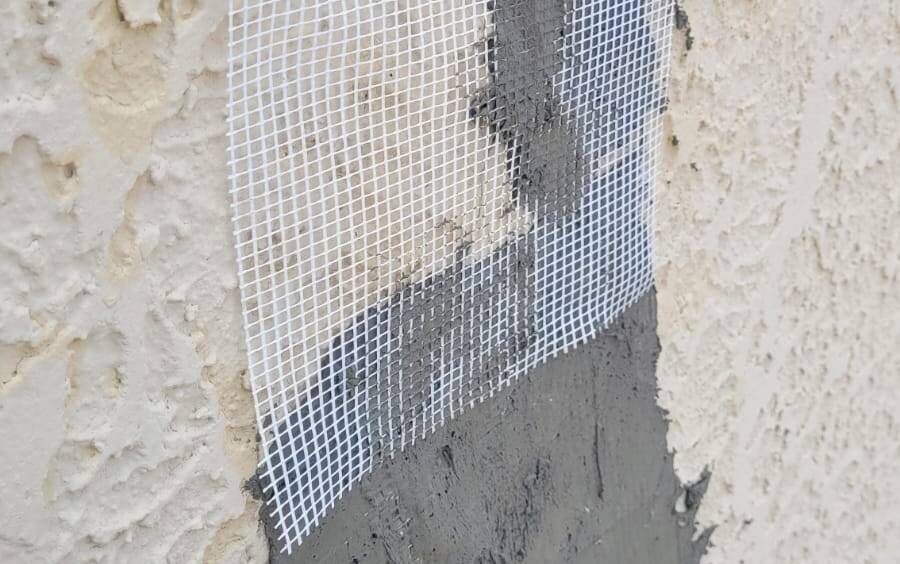
A proper EIFS or stucco repair usually focuses on the full damaged area. Depending on the condition, that may include removing loose material, reshaping or replacing damaged foam, applying base coat and mesh, and matching the finish texture as closely as possible.
A professional repair should focus on:
- Cleaning and preparing the damaged area
- Removing weak or loose material
- Rebuilding damaged sections where needed
- Applying proper mesh and base coat
- Matching texture
- Blending colour as closely as possible
- Sealing the area against weather exposure
Colour matching is one of the tricky parts. Stucco fades over time from sun, rain, dirt, and age. A new repair on a 10-year-old wall may not match perfectly, but a skilled repair can still look much cleaner than an open hole or rough patch.
Helpful video placement:
This video discusses repairing EIFS systems and exterior wall damage:
Source: YouTube search result for EIFS repair techniques.
Do Not Forget the Visible Foundation
While checking your stucco, take a look at the lower foundation area too.
Visible foundation parging is the cement-based surface applied over the above-grade foundation. It gives the bottom of the house a smoother, cleaner look and helps cover rough concrete or block surfaces.
This is especially common on older homes in Toronto, Etobicoke, Scarborough, North York, and East York, where the foundation can look worn, patched, or uneven. It also matters on homes in Mississauga, Brampton, Vaughan, and Richmond Hill, where curb appeal is a big part of the exterior look.
Signs your visible foundation may need parging repair include:
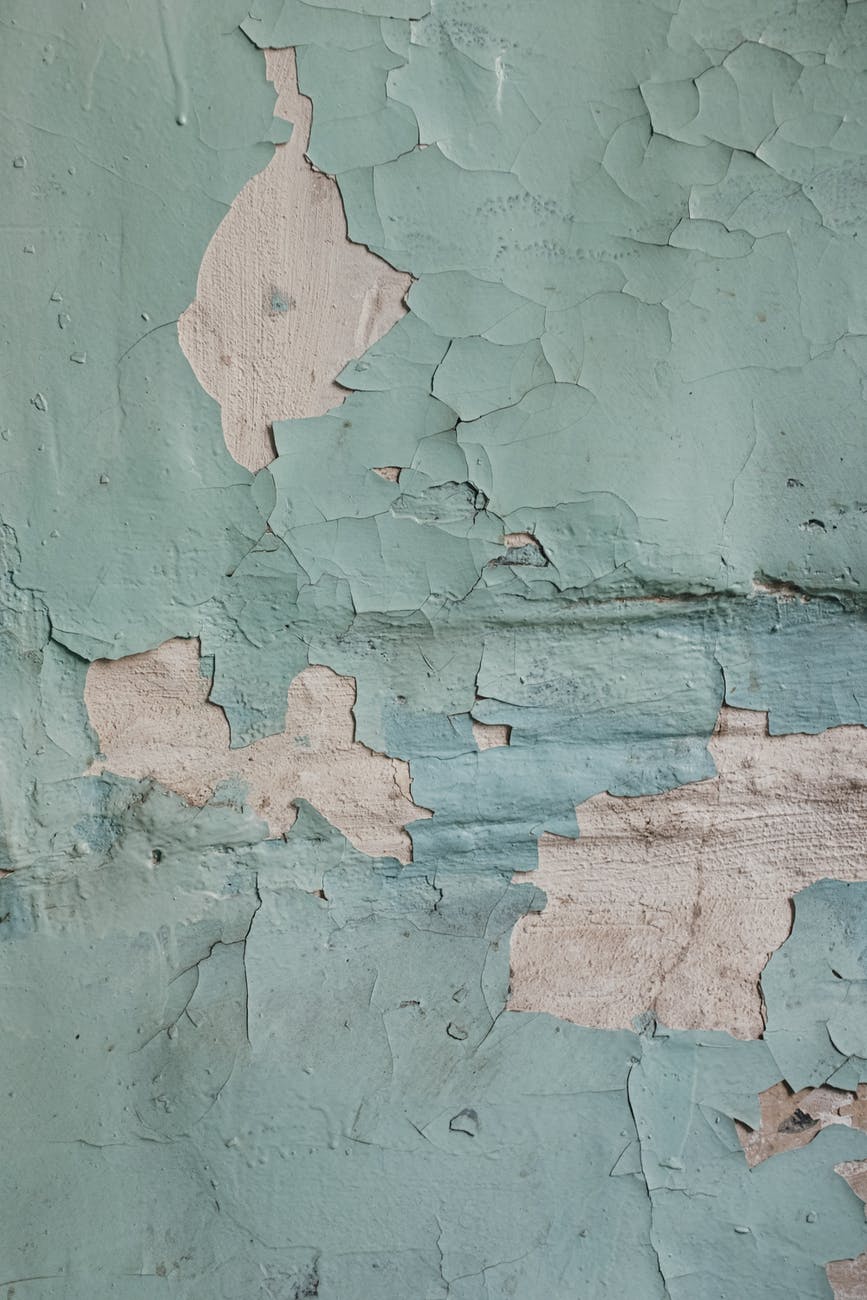
- Crumbling surface cement
- Cracks in the parging
- Loose or hollow areas
- Stains
- Uneven old patchwork
- Exposed concrete or block
- A rough foundation line that makes the home look unfinished
Important note: foundation parging is not waterproofing.
Visible parging improves the surface appearance and helps protect the exposed foundation face, but it is not the same as digging around the house, installing drainage, or waterproofing below grade.
Basically, parging is the clean jacket. Waterproofing is the underground raincoat. Different jobs.
Helpful video placement:
This video shows a foundation parging repair example:
Source: YouTube search result for foundation parging repair.
Suggested image near this section:
HD concrete wall / foundation texture images:
Why Foundation Parging Improves Curb Appeal
The foundation line is one of those exterior details people notice without realizing they noticed it.
A house can have nice windows, clean landscaping, and a beautiful entrance, but if the bottom foundation area is cracked, stained, and crumbling, the whole exterior can feel older.
Fresh visible foundation parging can help:
- Clean up the lower exterior wall
- Hide rough concrete or block
- Improve the finished look of the home
- Make landscaping look sharper
- Improve first impressions
- Prepare the home for selling
- Make older homes feel better maintained
For example, a Toronto semi-detached home with worn foundation parging can look tired even if the brick is in good shape. A Mississauga home with fresh landscaping but cracked parging can still feel unfinished. A Brampton or Vaughan home with a clean foundation line can look more polished from the street.
It is not always a huge renovation. Sometimes it is the detail that makes everything else look more intentional.
Optional image placement:
HD curb appeal / modern house exterior images:

Spring Exterior Checklist for GTA Homeowners
Before summer gets busy, walk around your home and look closely at the exterior.
Here is a simple checklist:
- Check the lower stucco walls
- Look around windows and doors
- Inspect corners and roofline areas
- Look for holes or exposed foam
- Check for cracks in the finish coat
- Inspect visible foundation parging
- Look for loose or crumbling cement
- Check areas near downspouts
- Look for staining or water marks
- Notice any old repairs that are failing
You do not need to be a contractor to notice when something looks wrong. If a section looks cracked, loose, open, soft, or rough, it is worth having it checked.
And if there is a perfectly round hole in the stucco, congratulations, you may have discovered the bird version of a home improvement project.
When Should You Call a Stucco or Parging Contractor?
You should call a stucco or parging contractor when damage is visible, spreading, or exposing the material underneath.
Small hairline cracks may not always be urgent, but holes, exposed foam, loose stucco, and crumbling parging should not be ignored.
Call a professional if you notice:
- Woodpecker holes in EIFS stucco
- Exposed insulation foam
- Cracked or loose stucco
- Damaged mouldings
- Water staining near the repair area
- Parging falling off the foundation
- Large cracks in visible foundation coating
- Previous patchwork that is failing
A professional can inspect the surface, explain what type of repair makes sense, and help avoid repairs that only hide the problem for a short time.
FAQ: Stucco and Foundation Parging Repairs in Toronto & the GTA
1. Is spring a good time for stucco repair in Toronto?
Yes. Spring is a great time to inspect and repair stucco because winter damage becomes easier to see, and the weather is usually better for exterior repair work.
2. Why do woodpeckers make holes in EIFS stucco?
Woodpeckers may peck EIFS stucco while looking for insects, creating noise during mating season, or trying to make a nesting area. The foam insulation behind EIFS can make it easier for them once the outer layer is damaged.
3. Can woodpecker holes in stucco be repaired?
Yes. Woodpecker holes can usually be repaired by removing damaged material, restoring the affected area, applying mesh and base coat, and finishing the surface to blend with the existing wall.
4. Is parging the same as waterproofing?
No. Parging is for the visible foundation surface above grade. It improves appearance and surface protection, but it does not replace full foundation waterproofing or drainage work.
5. Why does parging crack or fall off?
Parging can crack or fall off because of age, moisture, freeze-thaw cycles, poor surface preparation, impact, or old material separating from the foundation.
6. Will a stucco repair match perfectly?
Sometimes it can be close, but perfect colour matching is not always guaranteed because older stucco changes colour over time from sunlight, weather, and dirt. Texture and colour can usually be blended to look much better than the damaged area.
Final Thoughts
Spring is the perfect time to give your home a slow walkaround inspection.
Look at the stucco. Check the corners. Look near the roofline. Inspect the lower foundation. Watch for cracks, holes, exposed foam, crumbling parging, or rough patches.
For homeowners in Toronto, Mississauga, Brampton, Etobicoke, North York, Scarborough, Vaughan, Richmond Hill, Markham, Oakville, Burlington, Milton, Pickering, Ajax, Whitby, and across the GTA, early exterior repair can help keep the home looking cleaner, newer, and better maintained.
Your house survived another GTA winter. The least we can do is check if the woodpeckers left a forwarding address.
Call to Action
If you noticed stucco holes, EIFS damage, cracked exterior walls, or worn visible foundation parging, spring is a great time to repair it.
Contact a local stucco and parging contractor serving Toronto and the GTA for professional exterior repair, clean finishing, and a home that looks ready for the season.